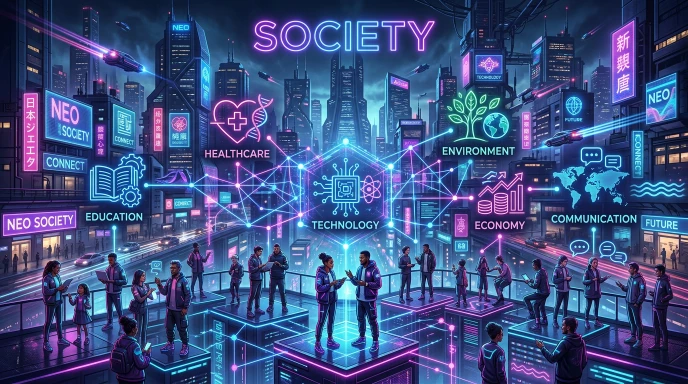
“Society means a group of people living together in an organized community; synonyms include community, civilization, culture, population, public, and social group.”
Society means a group of people who live together and share common rules, traditions, and ways of life.
For example, a student joining a new school becomes part of a small society where people follow shared values and interact daily.
The word “society” is commonly used because it describes human relationships, communities, and social systems.
Learning synonyms for society helps English learners and content writers express ideas more clearly and avoid repeating the same word. A wider vocabulary also makes writing more natural and powerful.
This article explains the meaning of society, its synonyms, examples, grammar, history, pronunciation, and different semantic categories to help learners choose the right word for every situation.
Meaning of Society
Definition
Society (noun):
A group of people living together with shared customs, rules, relationships, and social systems.
Examples
- Modern society depends on technology for communication.
- Every society develops its own traditions and values.
Connotative Meaning
(Connotation means the feelings, ideas, or emotions connected with a word beyond its basic meaning.)
- Positive tone: Can suggest unity, cooperation, progress, and belonging.
- Negative tone: Can suggest social problems, pressure, inequality, or conflict.
- Neutral tone: Simply refers to a group of people living together.
Etymology
- Origin: From Latin societas, meaning “companionship, association, or partnership.”
- Root word: Latin socius meaning “companion or ally.”
Short History
- Old English (450–1100): The exact word “society” was not commonly used. People used words related to groups, tribes, and communities.
- Middle English (1100–1500): The word entered English through French and Latin influence.
- Modern English (1500–Present): Society became a common term in discussions about culture, government, and human relationships.
Pronunciation (US & UK – IPA)
US: /səˈsaɪəti/
UK: /səˈsaɪəti/
Syllables
so-ci-e-ty
Affixation Pattern of Society
- Root: soci (meaning companion or group)
- Prefix: None
- Suffix: -ety (forms a noun)
Word Formation
- Social (adjective): related to people or groups
- Socialize (verb): to interact with others
- Socialization (noun): the process of learning social behavior
- Societal (adjective): related to society
Synonyms of Society
1. Community (noun)
US IPA: /kəˈmjuːnəti/ | UK IPA: /kəˈmjuːnəti/
Meaning: A group of people living or working together.
Examples:
- The local community supports new families.
- Our community works together during emergencies.
2. Population (noun)
US IPA: /ˌpɑːpjəˈleɪʃən/ | UK IPA: /ˌpɒpjəˈleɪʃən/
Meaning: All people living in a particular area.
Examples:
- The city population is growing quickly.
- The population needs better healthcare.
3. Public (noun)
US IPA: /ˈpʌblɪk/ | UK IPA: /ˈpʌblɪk/
Meaning: People in general.
Examples:
- The public supported the new law.
- The message reached the public.
4. Culture (noun)
US IPA: /ˈkʌltʃər/ | UK IPA: /ˈkʌltʃə/
Meaning: Shared beliefs, customs, and traditions of a group.
Examples:
- Culture shapes human behavior.
- Every country has a unique culture.
5. Civilization (noun)
US IPA: /ˌsɪvəlaɪˈzeɪʃən/ | UK IPA: /ˌsɪvəlaɪˈzeɪʃən/
Meaning: A developed human society with systems and institutions.
Examples:
- Ancient civilization created great monuments.
- Civilization grows through knowledge.
6. Community Group (noun)
US IPA: /kəˈmjuːnəti ɡruːp/ | UK IPA: /kəˈmjuːnəti ɡruːp/
Meaning: A group formed around shared interests.
Examples:
- The community group helps children.
- She joined a community group.
7. Collective (noun)
US IPA: /kəˈlektɪv/ | UK IPA: /kəˈlektɪv/
Meaning: A group acting together.
Examples:
- The collective made a decision.
- Artists formed a creative collective.
8. Nation (noun)
US IPA: /ˈneɪʃən/ | UK IPA: /ˈneɪʃən/
Meaning: A large group of people connected by land and identity.
Examples:
- The nation celebrated its victory.
- Every nation has its own history.
9. Public Community (noun)
US IPA: /ˈpʌblɪk kəˈmjuːnəti/ | UK IPA: /ˈpʌblɪk kəˈmjuːnəti/
Meaning: People sharing a common public space or interest.
Examples:
- The public community discussed the issue.
- The public community supported the project.
10. Society Group (noun)
US IPA: /səˈsaɪəti ɡruːp/ | UK IPA: /səˈsaɪəti ɡruːp/
Meaning: A collection of people connected socially.
Examples:
- The society group organized events.
- A society group promoted education.
11. Circle (noun)
US IPA: /ˈsɜːrkəl/ | UK IPA: /ˈsɜːkəl/
Meaning: A group of people with a shared connection.
Examples:
- She has a wide social circle.
- His circle includes many professionals.
12. Network (noun)
US IPA: /ˈnetwɜːrk/ | UK IPA: /ˈnetwɜːk/
Meaning: Connected people or organizations.
Examples:
- A professional network helps careers.
- The network shares useful information.
13. Organization (noun)
US IPA: /ˌɔːrɡənəˈzeɪʃən/ | UK IPA: /ˌɔːɡənaɪˈzeɪʃən/
Meaning: A structured group with a purpose.
Examples:
- The organization helps poor families.
- She works for a global organization.
14. Association (noun)
US IPA: /əˌsoʊsiˈeɪʃən/ | UK IPA: /əˌsəʊsiˈeɪʃən/
Meaning: A group formed for a shared purpose.
Examples:
- The teachers’ association meets monthly.
- He joined a business association.
15. Fellowship (noun)
US IPA: /ˈfeləʊʃɪp/ | UK IPA: /ˈfeləʊʃɪp/
Meaning: A friendly relationship among people.
Examples:
- The group developed strong fellowship.
- Fellowship creates trust.
16. Brotherhood (noun)
US IPA: /ˈbrʌðərhʊd/ | UK IPA: /ˈbrʌðəhʊd/
Meaning: A close bond between people.
Examples:
- The team showed brotherhood.
- Brotherhood creates unity.
17. Public Sphere (noun)
US IPA: /ˈpʌblɪk sfɪr/ | UK IPA: /ˈpʌblɪk sfɪə/
Meaning: The area where people discuss social issues.
Examples:
- Social media changed the public sphere.
- Debate happens in the public sphere.
18. Humanity (noun)
US IPA: /hjuːˈmænəti/ | UK IPA: /hjuːˈmænəti/
Meaning: All human beings as a group.
Examples:
- Humanity faces global challenges.
- Technology benefits humanity.
19. People (noun)
US IPA: /ˈpiːpəl/ | UK IPA: /ˈpiːpəl/
Meaning: Human beings considered as a group.
Examples:
- People create social connections.
- People need cooperation.
20. Residents (noun)
US IPA: /ˈrezɪdənts/ | UK IPA: /ˈrezɪdənts/
Meaning: People living in a place.
Examples:
- Residents attended the meeting.
- Local residents requested changes.
21. Inhabitants (noun)
US IPA: /ɪnˈhæbɪtənts/ | UK IPA: /ɪnˈhæbɪtənts/
Meaning: People living in a particular area.
Examples:
- The island’s inhabitants protect nature.
- Ancient inhabitants built homes.
22. Community (noun)
US IPA: /kəˈmjuːnəti/ | UK IPA: /kəˈmjuːnəti/
Meaning: People connected by location or interest.
Examples:
- The online community shares ideas.
- The community solved the problem.
23. Clan (noun)
US IPA: /klæn/ | UK IPA: /klæn/
Meaning: A group connected by family or history.
Examples:
- The clan followed old traditions.
- The clan protected its heritage.
24. Tribe (noun)
US IPA: /traɪb/ | UK IPA: /traɪb/
Meaning: A social group with shared ancestry or culture.
Examples:
- The tribe preserved ancient customs.
- The tribe lived near the river.
25. Group (noun)
US IPA: /ɡruːp/ | UK IPA: /ɡruːp/
Meaning: Several people together.
Examples:
- The group completed the task.
- A study group helps learners.
26. Society (noun)
US IPA: /səˈsaɪəti/ | UK IPA: /səˈsaɪəti/
Meaning: A human group with shared systems.
Examples:
- Society changes over time.
- Society influences behavior.
27. Alliance (noun)
US IPA: /əˈlaɪəns/ | UK IPA: /əˈlaɪəns/
Meaning: A partnership between groups.
Examples:
- The countries formed an alliance.
- The alliance improved cooperation.
28. Union (noun)
US IPA: /ˈjuːnjən/ | UK IPA: /ˈjuːnjən/
Meaning: A group joined together.
Examples:
- The union protected workers.
- Unity creates a strong union.
29. Assembly (noun)
US IPA: /əˈsembli/ | UK IPA: /əˈsembli/
Meaning: A gathering of people.
Examples:
- The assembly discussed important topics.
- Students attended the assembly.
30. Settlement (noun)
US IPA: /ˈsetəlmənt/ | UK IPA: /ˈsetəlmənt/
Meaning: A place where people live together.
Examples:
- The settlement grew into a town.
- Early settlements developed near rivers.
Prototype Meaning
The most typical meaning of society is a large group of people living together with shared rules, customs, and relationships.
When people hear “society,” they usually imagine communities, cultures, governments, and everyday human interactions.
Prototype Categorization
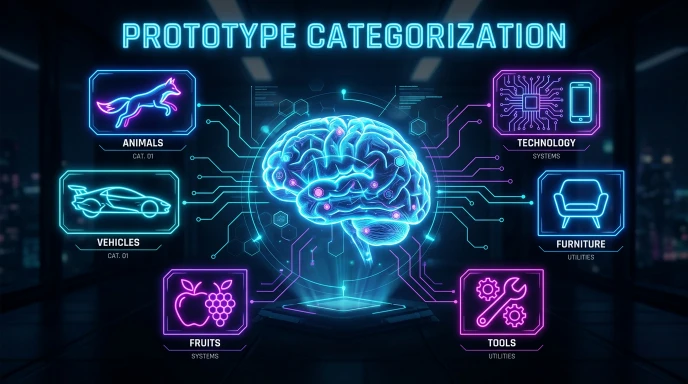
- General groups: community, group, population, people useful for common situations.
- Cultural groups: culture, civilization, tribe, clan useful for history and traditions.
- Organized groups: organization, association, union, alliance useful for formal contexts.
- Human relationships: fellowship, brotherhood, circle useful for emotional connections.
Categorizing synonyms helps writers select words with the correct meaning, tone, and level of formality.
Antonyms of Society
- Isolation (noun): being separated from others.
- Individual (noun): one person instead of a group.
- Solitude (noun): a state of being alone.
- Separation (noun): the condition of being divided.
- Disconnection (noun): lack of social connection.
Short Questions and Answers
- What does society mean?
- Society means a group of people living together with shared systems and relationships.
- When should society be used?
- Use society when discussing human groups, social systems, or communities in general.
- Is society positive or negative?
- Society is neutral. Its meaning depends on the context.
- How is it different from similar words?
- Society is broad, while words like community, tribe, or organization describe more specific groups.
Conclusion
Learning the word society and its synonyms improves vocabulary by giving learners more ways to express ideas.
These words strengthen writing and speaking because they help people choose accurate language for different situations.
Using synonyms also avoids repetition and makes communication more interesting. Understanding meanings, pronunciation, tone, and history helps English learners build confidence.
Writers can create clearer articles, essays, and conversations by selecting the right word. Daily vocabulary practice, reading, and using new words in sentences are effective ways to improve English skills.
Read more about!
- Synonyms for Used in English: 30 Words You Should Know
- Synonyms for Desire : 30 Powerful Words
- Synonyms for Grow: 30+ Best Words to Use in English

I am an American writer and speaker who focuses on habits, productivity, and self-improvement.
I study how small daily habits can create big changes in life. I try to write in a very simple and practical way so anyone can apply my ideas.
My most popular book is Atomic Habits, which is read around the world.