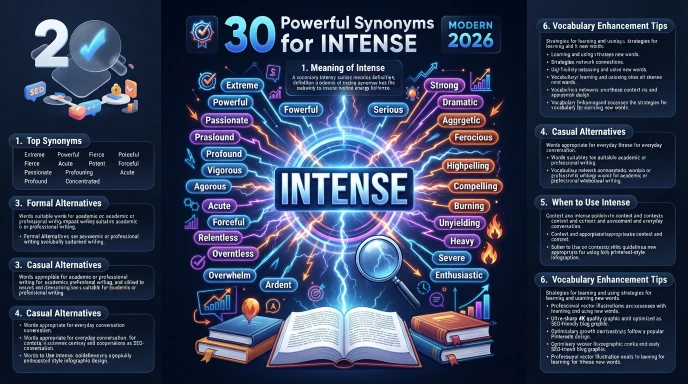
The word intense means very strong, powerful, or extreme in feeling, action, or degree. Imagine a student preparing for an important exam. She studies for many hours every day with full focus and determination.
Her effort is intense because it requires great energy and concentration. This word is common in English because people use it to describe emotions, weather, work, competition, relationships, and experiences.
Learning synonyms for intense helps English learners, students, teachers, writers, and content creators express ideas more clearly. Using a variety of words improves vocabulary, strengthens communication, and avoids repetition.
In this article, you will learn the meaning of intense, its pronunciation, grammar, connotation, history, and word formation. You will also discover 30 useful synonyms with meanings and examples to improve your English vocabulary and writing skills.
Meaning of Intense
Definition
Intense (Adjective):
Very strong, powerful, serious, or extreme.
Examples
- The team faced intense competition.
- She felt intense excitement before the event.
Connotative Meaning
(Connotation: the emotional or cultural feeling connected to a word beyond its dictionary meaning.)
- Positive tone: Strong dedication, passion, determination, enthusiasm.
- Negative tone: Extreme pressure, stress, anger, or conflict.
- Neutral tone: Simply describes a high degree of strength or force.
Etymology
- Comes from Latin intensus.
- Derived from intendere, meaning “to stretch” or “to strain.”
- Originally referred to something stretched tightly or strongly focused.
Short History of the Word
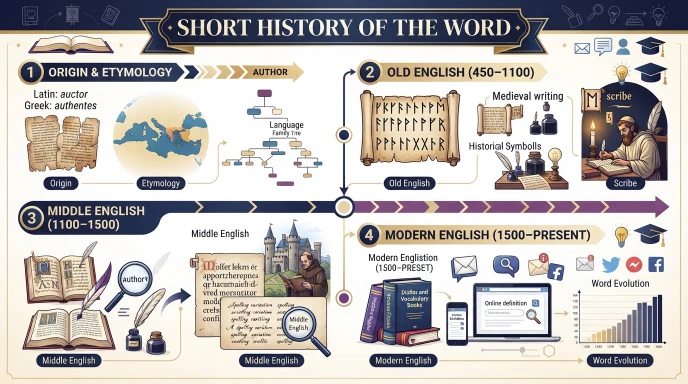
Old English (450–1100)
- The word did not exist in Old English.
- Similar meanings were expressed through words meaning strong or powerful.
Middle English (1100–1500)
- Influenced by Latin and French vocabulary.
- Early forms related to strong force and concentration appeared.
Modern English (1500–Present)
- Became common in literature, science, education, and daily speech.
- Now widely used to describe emotions, situations, and experiences.
Pronunciation (US & UK – IPA)
US: /ɪnˈtɛns/
UK: /ɪnˈtens/
Syllables
in-tense
Affixation Pattern of Intense
Root: tens (stretch)
Prefix: in-
Suffix: none
Word Formation of Intense
- Intense (Adjective)
- Intensely (Adverb)
- Intensity (Noun)
- Intensify (Verb)
- Intensified (Verb/Adjective)
- Intensification (Noun)
Synonyms of Intense
1. Strong (Adjective)
US: /strɔŋ/ | UK: /strɒŋ/
Meaning: Having great power or force.
Examples:
- The strong wind shook the trees.
- She has a strong desire to succeed.
2. Powerful (Adjective)
US: /ˈpaʊərfəl/ | UK: /ˈpaʊəfəl/
Meaning: Having great strength or influence.
Examples:
- He delivered a powerful speech.
- The storm was powerful.
3. Extreme (Adjective)
US: /ɪkˈstriːm/ | UK: /ɪkˈstriːm/
Meaning: Very great in degree.
Examples:
- They faced extreme weather.
- She showed extreme patience.
4. Fierce (Adjective)
US: /fɪrs/ | UK: /fɪəs/
Meaning: Strong and aggressive.
Examples:
- The fierce battle lasted all day.
- There was fierce competition.
5. Severe (Adjective)
US: /səˈvɪr/ | UK: /sɪˈvɪə/
Meaning: Very serious or harsh.
Examples:
- The region experienced severe flooding.
- He received severe criticism.
6. Passionate (Adjective)
US: /ˈpæʃənət/ | UK: /ˈpæʃənət/
Meaning: Showing strong feelings.
Examples:
- She is passionate about music.
- He gave a passionate speech.
7. Deep (Adjective)
US: /diːp/ | UK: /diːp/
Meaning: Strong in feeling or meaning.
Examples:
- They share a deep friendship.
- She felt deep sadness.
8. Vigorous (Adjective)
US: /ˈvɪɡərəs/ | UK: /ˈvɪɡərəs/
Meaning: Full of energy and strength.
Examples:
- He made a vigorous effort.
- The debate was vigorous.
9. Forceful (Adjective)
US: /ˈfɔrsfəl/ | UK: /ˈfɔːsfəl/
Meaning: Strong and confident.
Examples:
- She presented a forceful argument.
- His leadership was forceful.
10. Aggressive (Adjective)
US: /əˈɡresɪv/ | UK: /əˈɡresɪv/
Meaning: Ready to attack or compete strongly.
Examples:
- The company used aggressive marketing.
- He has an aggressive style.
11. Concentrated (Adjective)
US: /ˈkɑnsəntreɪtɪd/ | UK: /ˈkɒnsəntreɪtɪd/
Meaning: Focused and powerful.
Examples:
- She made a concentrated effort.
- The team showed concentrated energy.
12. Energetic (Adjective)
US: /ˌɛnərˈdʒetɪk/ | UK: /ˌenəˈdʒetɪk/
Meaning: Full of energy.
Examples:
- The children were energetic.
- He gave an energetic performance.
13. Heated (Adjective)
US: /ˈhiːtɪd/ | UK: /ˈhiːtɪd/
Meaning: Emotionally strong or angry.
Examples:
- They had a heated discussion.
- The debate became heated.
14. Sharp (Adjective)
US: /ʃɑrp/ | UK: /ʃɑːp/
Meaning: Strong and noticeable.
Examples:
- There was a sharp increase in prices.
- She felt a sharp pain.
15. Acute (Adjective)
US: /əˈkjuːt/ | UK: /əˈkjuːt/
Meaning: Very severe or serious.
Examples:
- The country faced an acute crisis.
- He felt acute anxiety.
16. Profound (Adjective)
US: /prəˈfaʊnd/ | UK: /prəˈfaʊnd/
Meaning: Very deep or powerful.
Examples:
- The book had a profound effect.
- She felt profound gratitude.
17. Burning (Adjective)
US: /ˈbɜrnɪŋ/ | UK: /ˈbɜːnɪŋ/
Meaning: Very strong and urgent.
Examples:
- He had a burning ambition.
- She asked a burning question.
18. Ardent (Adjective)
US: /ˈɑrdənt/ | UK: /ˈɑːdənt/
Meaning: Very enthusiastic and passionate.
Examples:
- She is an ardent supporter.
- He remains ardent in his beliefs.
19. Keen (Adjective)
US: /kiːn/ | UK: /kiːn/
Meaning: Strongly interested or eager.
Examples:
- She has a keen interest in art.
- He is keen to learn.
20. Emotional (Adjective)
US: /ɪˈmoʊʃənl/ | UK: /ɪˈməʊʃənl/
Meaning: Showing strong feelings.
Examples:
- It was an emotional moment.
- She became emotional during the speech.
21. Dramatic (Adjective)
US: /drəˈmætɪk/ | UK: /drəˈmætɪk/
Meaning: Striking and powerful.
Examples:
- There was a dramatic change.
- The movie had a dramatic ending.
22. Explosive (Adjective)
US: /ɪkˈsploʊsɪv/ | UK: /ɪkˈspləʊsɪv/
Meaning: Likely to burst out strongly.
Examples:
- He has an explosive temper.
- The issue became explosive.
23. Rigorous (Adjective)
US: /ˈrɪɡərəs/ | UK: /ˈrɪɡərəs/
Meaning: Very strict and demanding.
Examples:
- The training was rigorous.
- Students followed a rigorous schedule.
24. Relentless (Adjective)
US: /rɪˈlentləs/ | UK: /rɪˈlentləs/
Meaning: Continuing without stopping.
Examples:
- The relentless rain continued.
- She made relentless efforts.
25. Potent (Adjective)
US: /ˈpoʊtənt/ | UK: /ˈpəʊtənt/
Meaning: Very powerful or effective.
Examples:
- The medicine is potent.
- His words were potent.
26. Dynamic (Adjective)
US: /daɪˈnæmɪk/ | UK: /daɪˈnæmɪk/
Meaning: Full of energy and action.
Examples:
- She is a dynamic leader.
- The team was dynamic.
27. Compelling (Adjective)
US: /kəmˈpelɪŋ/ | UK: /kəmˈpelɪŋ/
Meaning: Strongly interesting or convincing.
Examples:
- The story was compelling.
- He made a compelling case.
28. Ferocious (Adjective)
US: /fəˈroʊʃəs/ | UK: /fəˈrəʊʃəs/
Meaning: Extremely fierce or violent.
Examples:
- The ferocious storm caused damage.
- They faced ferocious opposition.
29. Overwhelming (Adjective)
US: /ˌoʊvərˈwelmɪŋ/ | UK: /ˌəʊvəˈwelmɪŋ/
Meaning: Extremely strong or powerful.
Examples:
- She felt overwhelming joy.
- The support was overwhelming.
30. Intrepid (Adjective)
US: /ɪnˈtrepɪd/ | UK: /ɪnˈtrepɪd/
Meaning: Fearless and determined.
Examples:
- The intrepid explorer crossed the desert.
- She remained intrepid under pressure.
Formal and Casual Alternatives
Formal Alternatives
- Profound
- Rigorous
- Potent
- Acute
- Forceful
- Vigorous
- Compelling
- Relentless
Casual Alternatives
- Strong
- Deep
- Sharp
- Keen
- Heated
- Powerful
- Energetic
- Dramatic
Related Words
- Intensity (Noun)
- Intensify (Verb)
- Intensely (Adverb)
- Power (Noun)
- Passion (Noun)
- Strength (Noun)
- Energy (Noun)
- Force (Noun)
Prototype Meaning
The most common meaning of intense is something extremely strong, powerful, or serious.
When people hear this word, they often imagine strong emotions, hard work, fierce competition, powerful weather, or deep concentration that demands a lot of energy and attention.
Prototype Categorization
Strength and Power
- Strong
- Powerful
- Potent
- Forceful
- Dynamic
Emotion and Passion
- Passionate
- Emotional
- Ardent
- Burning
- Deep
Competition and Conflict
- Fierce
- Aggressive
- Ferocious
- Heated
- Relentless
Focus and Effort
- Concentrated
- Rigorous
- Vigorous
- Keen
- Compelling
Severity and Extremes
- Extreme
- Severe
- Acute
- Overwhelming
- Dramatic
Categorization helps writers select the most suitable synonym. For example, passionate works best for emotions, while rigorous is better for study, training, or professional work.
Antonyms of Intense
- Mild (Adjective) : Not strong or severe.
- Gentle (Adjective) : Soft and calm.
- Calm (Adjective) : Peaceful and relaxed.
- Moderate (Adjective) :Not extreme.
- Weak (Adjective) : Lacking strength.
- Soft (Adjective) : Not forceful.
- Easy (Adjective) :Not difficult or demanding.
- Relaxed (Adjective) : Free from stress or pressure.
Short Questions and Answers
- What does intense mean?
It means very strong, powerful, serious, or extreme. - When should intense be used?
Use it to describe strong emotions, effort, focus, competition, or situations. - Is intense positive or negative?
It can be positive, negative, or neutral depending on context. - How is it different from similar words?
Intense suggests a very high level of strength or feeling, while words like strong or deep may describe only one aspect of that strength.
Conclusion
Learning the word intense and its synonyms can greatly improve your English vocabulary. These words help you describe emotions, experiences, actions, and situations with greater accuracy.
Using different synonyms strengthens both writing and speaking while reducing repetition. Understanding pronunciation, history, connotation, and semantic categories helps you choose the right word for the right context.
if you are an ESL learner, student, teacher, or content writer, mastering these synonyms can make your communication more effective and engaging. Practice using new vocabulary every day in conversations and writing exercises. Over time, your confidence and fluency in English will continue to grow.
Explore more about!
- 30 Synonyms for ‘Connect’ to Boost Your Vocabulary
- Synonyms for Unity: Powerful Words to Use Instead
- Synonyms for Vulnerable: Alternative Words & Meanings

I am an American author, and I write books about power, strategy, and human behavior. My writing style is simple but deep, and I try to explain how people think and act in real-life situations.
I studied classical studies, and before becoming a writer, I worked in different fields which helped me understand people and life better.
My most famous books include The 48 Laws of Power, The Art of Seduction, and Mastery. These books are widely read by business people, leaders, and students around the world.