The word “fancy” means having a strong liking for something, or describing something that is stylish, expensive, or special.
For example, a person may say, “I fancy a cup of tea,” when they want a drink, or they may call a beautiful restaurant a “fancy place.”
The word is commonly used in everyday English because it can describe preferences, ideas, appearances, and feelings. However, using only one word again and again can make communication less interesting.
Learning synonyms for fancy helps English learners and content writers choose better words and express ideas with more accuracy.
This article explains the meaning of fancy and explores its synonyms with examples, grammar, history, pronunciation, word formation, and semantic categories. Understanding these related words helps learners improve vocabulary, writing style, and speaking confidence.
Meaning of Fancy
Definition
Fancy (verb/adjective/noun):
The word fancy means to like, desire, imagine, or describe something as attractive, special, or expensive.
Examples
- I fancy a piece of chocolate after dinner.
- She bought a fancy dress for the wedding.
Connotative Meaning
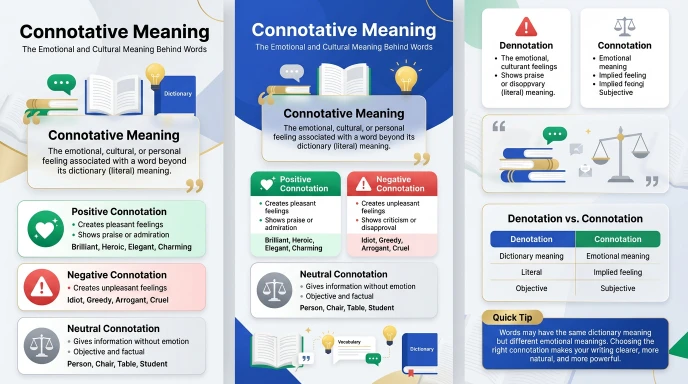
Connotation (the feelings, emotions, or ideas connected with a word beyond its direct meaning):
- Positive tone:
Fancy can suggest beauty, quality, elegance, and enjoyment.
Example: They stayed in a fancy hotel during their vacation. - Negative tone:
Fancy can sometimes suggest being too proud, unnecessary, or overly expensive.
Example: He always buys fancy things to impress people. - Neutral tone:
Fancy can simply describe a preference or imagination.
Example: I fancy watching a movie tonight.
Etymology
- The word fancy comes from the Old French word fantaisie, meaning “imagination, idea, or desire.”
- It developed from the Greek word phantasia, meaning “appearance, imagination, or mental image.”
Short History of “Fancy”
- Old English (450–1100):
The modern word fancy was not used in Old English. Similar ideas were expressed through words related to imagination, thought, and desire. - Middle English (1100–1500):
The word entered English through Old French influence. It originally meant “imagination” or “a mental picture created by the mind.” - Modern English (1500–Present):
The meaning expanded. Today, fancy can mean liking something, wanting something, imagining something, or describing something elegant and expensive.
Pronunciation (US & UK – IPA)
US: /ˈfænsi/
UK: /ˈfænsi/
Syllables
fan-cy
Affixation Pattern of Fancy
Root:
- fant- / fanc- related to imagination, appearance, and ideas
Prefix:
- No prefix
Suffix:
- -y forms an adjective or noun showing a quality or condition
Word Formation of “Fancy”
- fancy (verb) to like or desire something
- fancy (adjective) attractive, stylish, or expensive
- fancy (noun) imagination or personal liking
- fanciful (adjective) full of imagination
- fanciness (noun) the quality of being fancy
- unfancy (adjective) simple or not stylish
Synonyms of Fancy
1. Like (Verb)
US IPA: /laɪk/
UK IPA: /laɪk/
Meaning: To enjoy or have a good feeling toward someone or something.
Examples:
- I like this new book because it is interesting.
- She likes spending time with her friends.
2. Prefer (Verb)
US IPA: /prɪˈfɝː/
UK IPA: /prɪˈfɜː/
Meaning: To choose or enjoy one thing more than another.
Examples:
- I prefer tea instead of coffee.
- He prefers simple clothes over expensive ones.
3. Desire (Verb/Noun)
US IPA: /dɪˈzaɪər/
UK IPA: /dɪˈzaɪə/
Meaning: To strongly want or wish for something.
Examples:
- She desires a better education.
- He has a strong desire to travel.
4. Want (Verb)
US IPA: /wɑːnt/
UK IPA: /wɒnt/
Meaning: To wish to have or do something.
Examples:
- I want a new phone for my birthday.
- They want to learn English quickly.
5. Wish (Verb/Noun)
US IPA: /wɪʃ/
UK IPA: /wɪʃ/
Meaning: To hope for or want something to happen.
Examples:
- She wishes to visit another country.
- He made a wish on his birthday.
6. Crave (Verb)
US IPA: /kreɪv/
UK IPA: /kreɪv/
Meaning: To have a very strong desire for something.
Examples:
- I crave chocolate after dinner.
- Many people crave success and recognition.
7. Admire (Verb)
US IPA: /ədˈmaɪər/
UK IPA: /ədˈmaɪə/
Meaning: To respect, like, or appreciate someone or something.
Examples:
- I admire her courage and honesty.
- Many students admire their teachers.
8. Appreciate (Verb)
US IPA: /əˈpriːʃieɪt/
UK IPA: /əˈpriːʃieɪt/
Meaning: To recognize the value or beauty of something.
Examples:
- She appreciates beautiful artwork.
- I appreciate your helpful advice.
9. Enjoy (Verb)
US IPA: /ɪnˈdʒɔɪ/
UK IPA: /ɪnˈdʒɔɪ/
Meaning: To get pleasure or satisfaction from something.
Examples:
- They enjoy watching movies together.
- She enjoys learning new languages.
10. Love (Verb/Noun)
US IPA: /lʌv/
UK IPA: /lʌv/
Meaning: To have a very strong feeling of affection or enjoyment.
Examples:
- I love reading books in my free time.
- She loves beautiful music.
11. Fancy (Adjective: Stylish Meaning)
US IPA: /ˈfænsi/
UK IPA: /ˈfænsi/
Meaning: Attractive, expensive, or more special than usual.
Examples:
- She wore a fancy dress at the party.
- They visited a fancy restaurant.
12. Elegant (Adjective)
US IPA: /ˈelɪɡənt/
UK IPA: /ˈelɪɡənt/
Meaning: Beautiful, graceful, and stylish.
Examples:
- She wore an elegant black dress.
- The building has an elegant design.
13. Stylish (Adjective)
US IPA: /ˈstaɪlɪʃ/
UK IPA: /ˈstaɪlɪʃ/
Meaning: Attractive and fashionable in appearance.
Examples:
- He bought a stylish jacket.
- Her stylish ideas changed the room.
14. Fashionable (Adjective)
US IPA: /ˈfæʃənəbəl/
UK IPA: /ˈfæʃənəbəl/
Meaning: Popular and attractive according to current trends.
Examples:
- These shoes are fashionable this year.
- She always wears fashionable clothes.
15. Luxurious (Adjective)
US IPA: /lʌɡˈʒʊriəs/
UK IPA: /lʌɡˈʒʊəriəs/
Meaning: Very comfortable, expensive, and high in quality.
Examples:
- They stayed in a luxurious hotel.
- The car has a luxurious interior.
16. Sophisticated (Adjective)
US IPA: /səˈfɪstəˌkeɪtɪd/
UK IPA: /səˈfɪstɪkeɪtɪd/
Meaning: Having a refined, advanced, or elegant quality.
Examples:
- She has a sophisticated sense of style.
- The restaurant offers sophisticated dishes.
17. Glamorous (Adjective)
US IPA: /ˈɡlæmərəs/
UK IPA: /ˈɡlæmərəs/
Meaning: Attractive, exciting, and full of beauty or charm.
Examples:
- The actress wore a glamorous outfit.
- They attended a glamorous event.
18. Beautiful (Adjective)
US IPA: /ˈbjuːtəfəl/
UK IPA: /ˈbjuːtɪfəl/
Meaning: Pleasing to the senses or very attractive.
Examples:
- She has a beautiful voice.
- The garden looks beautiful in spring.
19. Attractive (Adjective)
US IPA: /əˈtræktɪv/
UK IPA: /əˈtræktɪv/
Meaning: Pleasant, interesting, or appealing.
Examples:
- The house has an attractive design.
- This offer sounds attractive to customers.
20. Appealing (Adjective)
US IPA: /əˈpiːlɪŋ/
UK IPA: /əˈpiːlɪŋ/
Meaning: Interesting or enjoyable enough to attract attention.
Examples:
- The idea seems appealing to many people.
- She created an appealing advertisement.
21. Desirable (Adjective)
US IPA: /dɪˈzaɪrəbəl/
UK IPA: /dɪˈzaɪərəbəl/
Meaning: Wanted, valued, or considered attractive.
Examples:
- Good communication skills are desirable for this job.
- The house is in a desirable location.
22. Extravagant (Adjective)
US IPA: /ɪkˈstrævəɡənt/
UK IPA: /ɪkˈstrævəɡənt/
Meaning: More expensive or elaborate than necessary.
Examples:
- They planned an extravagant wedding.
- He bought an extravagant gift.
23. Lavish (Adjective/Verb)
US IPA: /ˈlævɪʃ/
UK IPA: /ˈlævɪʃ/
Meaning: Very rich, generous, or expensive in style.
Examples:
- They enjoyed a lavish dinner.
- The hotel provides lavish services.
24. Ornate (Adjective)
US IPA: /ɔːrˈneɪt/
UK IPA: /ɔːˈneɪt/
Meaning: Highly decorated with many details.
Examples:
- The palace has ornate walls.
- She wore an ornate necklace.
25. Decorative (Adjective)
US IPA: /ˈdekərətɪv/
UK IPA: /dɪˈkɒrətɪv/
Meaning: Made to improve appearance rather than function.
Examples:
- The room has decorative lights.
- She added decorative items to the table.
26. Imaginative (Adjective)
US IPA: /ɪˈmædʒɪnətɪv/
UK IPA: /ɪˈmædʒɪnətɪv/
Meaning: Full of creative ideas or imagination.
Examples:
- The child has an imaginative mind.
- She created an imaginative story.
27. Fantastical (Adjective)
US IPA: /fænˈtæstɪkəl/
UK IPA: /fænˈtæstɪkəl/
Meaning: Strange, unusual, or based on imagination.
Examples:
- The movie shows a fantastical world.
- He created a fantastical design.
28. Wonderful (Adjective)
US IPA: /ˈwʌndərfəl/
UK IPA: /ˈwʌndəfəl/
Meaning: Extremely good, enjoyable, or impressive.
Examples:
- We had a wonderful experience.
- She gave a wonderful performance.
29. Splendid (Adjective)
US IPA: /ˈsplendɪd/
UK IPA: /ˈsplendɪd/
Meaning: Excellent, impressive, or beautiful.
Examples:
- The view from the mountain was splendid.
- They enjoyed a splendid meal.
30. Magnificent (Adjective)
US IPA: /mæɡˈnɪfɪsənt/
UK IPA: /mæɡˈnɪfɪsənt/
Meaning: Extremely beautiful, grand, or impressive.
Examples:
- The palace looked magnificent.
- She admired the magnificent artwork.
Prototype Meaning
The most common meaning of “fancy” is having a strong liking for something or describing something as attractive, stylish, or special.
When people hear the word fancy, they often imagine something elegant, expensive, fashionable, or more impressive than ordinary things.
For example, a fancy dress, a fancy restaurant, or a fancy car usually suggests something that looks special or has a higher level of quality.
Prototype Categorization
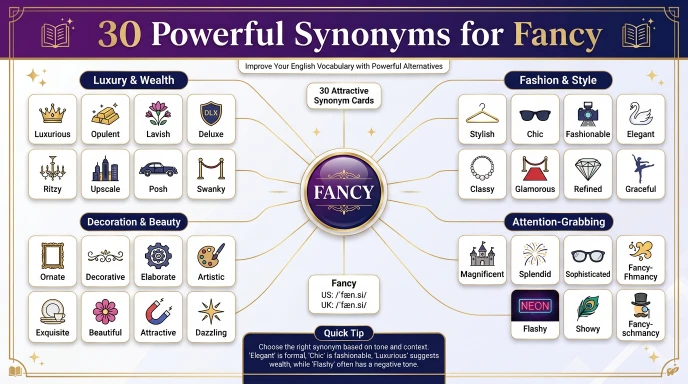
Synonyms of fancy can be divided into groups based on their meaning and usage. This categorization helps writers select the correct word for different situations and avoid using words with the wrong tone.
- Preference and desire category:
like, prefer, want, desire, wish, crave
These words describe feelings, choices, or strong wishes. - Beauty and appearance category:
beautiful, attractive, elegant, stylish, fashionable
These words describe how something looks or how appealing it is. - Luxury and high-quality category:
luxurious, lavish, extravagant, magnificent, splendid
These words are useful when describing expensive, grand, or impressive things. - Imagination category:
imaginative, fantastical, fanciful
These words describe creative ideas or things connected with imagination. - Positive appreciation category:
admire, appreciate, enjoy, wonderful, appealing
These words express happiness, respect, or enjoyment.
Understanding these categories allows writers to choose synonyms that match the exact meaning, emotion, and situation.
Short Questions and Answers
What does “fancy” mean?
- Fancy means liking, wanting, imagining, or describing something as attractive, stylish, or special.
- It can describe feelings, objects, places, clothing, and ideas.
When should “fancy” be used?
- Use fancy when talking about a strong liking or desire, especially in informal English.
- Use it to describe something stylish, expensive, or more special than normal.
Examples:
- I fancy a cup of tea.
- She bought a fancy dress for the party.
Is “fancy” positive or negative?
- Fancy is usually positive because it often describes beauty, style, or enjoyment.
- It can become negative when it suggests something is too expensive, unnecessary, or used to show off.
Examples:
- Positive: They stayed in a fancy hotel during their vacation.
- Negative: He spends too much money on fancy things.
How is “fancy” different from similar words?
- Fancy vs. Elegant:
Fancy suggests something special, stylish, or expensive, while elegant focuses more on beauty and graceful simplicity. - Fancy vs. Beautiful:
Beautiful describes attractiveness, while fancy often adds the idea of luxury or extra decoration. - Fancy vs. Luxurious:
Luxurious specifically suggests comfort and high cost, while fancy can simply mean attractive or stylish. - Fancy vs. Imaginative:
Imaginative relates to creativity and ideas, while fancy can relate to liking, style, or appearance.
Conclusion
Learning the word “fancy” and its synonyms helps English learners improve their vocabulary and express ideas more clearly.
The word fancy has different meanings, including liking something, wanting something, and describing something stylish or special.
By learning synonyms such as elegant, luxurious, stylish, desire, and admire, learners can avoid repetition and make their speaking and writing more effective.
Understanding pronunciation, tone, history, and meaning helps writers choose the best word for each situation. Regular vocabulary practice builds confidence and improves communication skills. English learners and content writers can become stronger speakers and writers by using new words in daily conversations, reading, and creative writing.
Read more about!

I am a linguist with 17 years of experience in English language teaching, including postgraduate-level instruction. My expertise includes English grammar, and I contribute as a content and blog writer, producing scholarly and educational language resources.