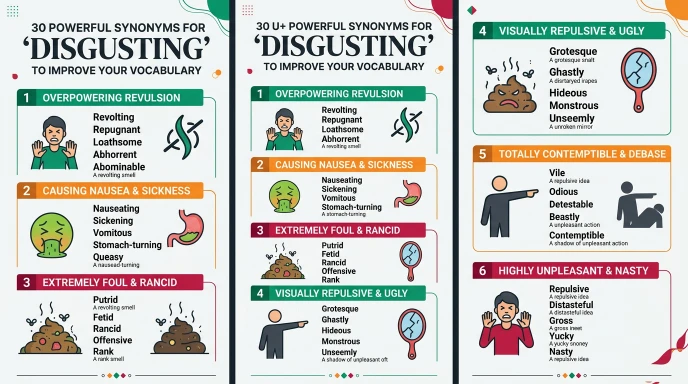
The word disgusting means something that causes a strong feeling of dislike, discomfort, or disgust. Imagine opening a lunch box that has been forgotten for several weeks and finding spoiled food inside.
You might say, “This food smells disgusting.” The word is commonly used in everyday English because people often need to describe things that are unpleasant, dirty, offensive, or unacceptable.
For English learners and content writers, learning synonyms for disgusting is important because it helps them express feelings with more accuracy and variety.
Different synonyms can show different levels of dislike, from mild unpleasantness to extreme horror.
This article explains the meaning of disgusting, its grammar, history, pronunciation, and 30 useful synonyms with examples. It also explores emotional tones and semantic categories to help learners choose the best words for every situation.
Meaning of Disgusting
Definition
Disgusting (adjective):
Something that causes a strong feeling of dislike, sickness, or unpleasantness.
Examples
- The smell from the garbage was disgusting.
- His rude behavior was disgusting and unacceptable.
Connotative Meaning
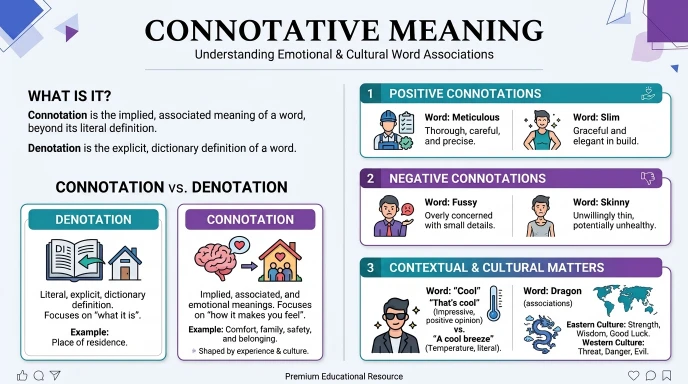
(Connotation means the feelings, emotions, or ideas connected with a word beyond its basic meaning.)
- Positive tone: Rarely positive, but it may be used playfully when joking with friends.
- Negative tone: Shows strong dislike, anger, or rejection.
- Neutral tone: Describes something unpleasant without showing personal anger.
Etymology
- Origin: From the Latin word disgustare, meaning “to taste unpleasantly” or “to dislike.”
- Original meaning: A strong feeling caused by something unpleasant to the senses.
Short History
- Old English (450–1100): The exact word disgusting was not used, but Old English had words describing dislike and unpleasant feelings.
- Middle English (1100–1500): French and Latin influences introduced many words related to emotions and physical reactions.
- Modern English (1500–Present): Disgusting developed into a common adjective used for unpleasant sights, smells, actions, and ideas.
Pronunciation (US & UK – IPA)
US: /dɪˈɡʌs.tɪŋ/
UK: /dɪˈɡʌs.tɪŋ/
Syllables
dis-gust-ing
Affixation Pattern of Disgusting
- Root: gust (from Latin gustare, meaning “to taste”)
- Prefix: dis- (showing separation, opposite, or removal)
- Suffix: -ing (forming an adjective from a verb)
Word Formation
- Disgust (noun/verb): a strong feeling of dislike
- Disgusting (adjective): causing disgust
- Disgusted (adjective): feeling strong dislike
- Disgustingly (adverb): in a disgusting way
Synonyms of Disgusting
1. Repulsive (Adjective)
US IPA: /rɪˈpʌl.sɪv/ | UK IPA: /rɪˈpʌl.sɪv/
Meaning: Causing a strong feeling of dislike or rejection.
Examples:
- The smell from the old trash was repulsive.
- His cruel actions were completely repulsive.
2. Revolting (Adjective)
US IPA: /rɪˈvoʊl.tɪŋ/ | UK IPA: /rɪˈvəʊl.tɪŋ/
Meaning: Extremely unpleasant or shocking.
Examples:
- The rotten food looked revolting.
- The movie showed a revolting scene.
3. Horrible (Adjective)
US IPA: /ˈhɔːr.ə.bəl/ | UK IPA: /ˈhɒr.ə.bəl/
Meaning: Very unpleasant or bad.
Examples:
- The room had a horrible smell.
- It was a horrible experience for everyone.
4. Nasty (Adjective)
US IPA: /ˈnæs.ti/ | UK IPA: /ˈnɑː.sti/
Meaning: Unpleasant, dirty, or offensive.
Examples:
- There was a nasty stain on the shirt.
- He made a nasty comment about her.
5. Gross (Adjective)
US IPA: /ɡroʊs/ | UK IPA: /ɡrəʊs/
Meaning: Very unpleasant or disgusting.
Examples:
- That old sandwich looks gross.
- The smell coming from the kitchen was gross.
6. Sickening (Adjective)
US IPA: /ˈsɪk.ən.ɪŋ/ | UK IPA: /ˈsɪk.ən.ɪŋ/
Meaning: Making someone feel physically or emotionally sick.
Examples:
- The smell was sickening.
- The news was sickening to hear.
7. Foul (Adjective)
US IPA: /faʊl/ | UK IPA: /faʊl/
Meaning: Extremely unpleasant, dirty, or offensive.
Examples:
- A foul smell came from the basement.
- The water had a foul taste.
8. Vile (Adjective)
US IPA: /vaɪl/ | UK IPA: /vaɪl/
Meaning: Extremely unpleasant or morally bad.
Examples:
- The criminal committed a vile act.
- That was a vile thing to say.
9. Offensive (Adjective)
US IPA: /əˈfen.sɪv/ | UK IPA: /əˈfen.sɪv/
Meaning: Causing anger, hurt, or dislike.
Examples:
- His offensive joke upset many people.
- The advertisement was considered offensive.
10. Unpleasant (Adjective)
US IPA: /ʌnˈplez.ənt/ | UK IPA: /ʌnˈplez.ənt/
Meaning: Not enjoyable or comfortable.
Examples:
- The weather was unpleasant today.
- She had an unpleasant conversation with her manager.
11. Repugnant (Adjective)
US IPA: /rɪˈpʌɡ.nənt/ | UK IPA: /rɪˈpʌɡ.nənt/
Meaning: Extremely unpleasant or unacceptable.
Examples:
- The idea of animal cruelty is repugnant to many people.
- His dishonest behavior was repugnant.
12. Loathsome (Adjective)
US IPA: /ˈloʊð.səm/ | UK IPA: /ˈləʊð.səm/
Meaning: Causing strong dislike or hatred.
Examples:
- The villain in the story was a loathsome character.
- People rejected his loathsome actions.
13. Hideous (Adjective)
US IPA: /ˈhɪd.i.əs/ | UK IPA: /ˈhɪd.i.əs/
Meaning: Extremely ugly, unpleasant, or shocking.
Examples:
- The building had a hideous design.
- The accident left a hideous scene behind.
14. Awful (Adjective)
US IPA: /ˈɔː.fəl/ | UK IPA: /ˈɔː.fəl/
Meaning: Very bad or unpleasant.
Examples:
- The smell from the room was awful.
- He felt awful after seeing the mess.
15. Abhorrent (Adjective)
US IPA: /əbˈhɔːr.ənt/ | UK IPA: /əbˈhɒr.ənt/
Meaning: Causing strong feelings of hatred or disgust.
Examples:
- Racism is an abhorrent belief.
- The treatment of animals was abhorrent.
16. Detestable (Adjective)
US IPA: /dɪˈtes.tə.bəl/ | UK IPA: /dɪˈtes.tə.bəl/
Meaning: Deserving strong dislike.
Examples:
- His selfish behavior was detestable.
- The company’s actions were detestable.
17. Distasteful (Adjective)
US IPA: /dɪˈsteɪst.fəl/ | UK IPA: /dɪˈteɪst.fəl/
Meaning: Unpleasant or offensive to someone’s feelings.
Examples:
- The joke was distasteful.
- The advertisement used distasteful images.
18. Unappealing (Adjective)
US IPA: /ˌʌn.əˈpiː.lɪŋ/ | UK IPA: /ˌʌn.əˈpiː.lɪŋ/
Meaning: Not attractive or enjoyable.
Examples:
- The food looked unappealing.
- The design was simple but unappealing.
19. Repellent (Adjective)
US IPA: /rɪˈpel.ənt/ | UK IPA: /rɪˈpel.ənt/
Meaning: Causing someone to feel dislike or avoidance.
Examples:
- The insects created a repellent smell.
- His aggressive attitude was repellent.
20. Sickening (Adjective)
US IPA: /ˈsɪk.ən.ɪŋ/ | UK IPA: /ˈsɪk.ən.ɪŋ/
Meaning: Extremely unpleasant or shocking.
Examples:
- The smell of the garbage was sickening.
- The violent images were sickening.
21. Putrid (Adjective)
US IPA: /ˈpjuː.trɪd/ | UK IPA: /ˈpjuː.trɪd/
Meaning: Having a rotten and extremely bad smell.
Examples:
- The putrid food had to be thrown away.
- A putrid odor filled the kitchen.
22. Rotten (Adjective)
US IPA: /ˈrɑː.tən/ | UK IPA: /ˈrɒt.ən/
Meaning: Decayed, spoiled, or morally bad.
Examples:
- The fruit was rotten and unsafe to eat.
- He had a rotten attitude toward others.
23. Disgraceful (Adjective)
US IPA: /dɪsˈɡreɪs.fəl/ | UK IPA: /dɪsˈɡreɪs.fəl/
Meaning: Causing shame because of bad behavior.
Examples:
- His rude behavior was disgraceful.
- The unfair treatment was disgraceful.
24. Shameful (Adjective)
US IPA: /ˈʃeɪm.fəl/ | UK IPA: /ˈʃeɪm.fəl/
Meaning: Deserving criticism or embarrassment.
Examples:
- The dishonest act was shameful.
- Their treatment of workers was shameful.
25. Terrible (Adjective)
US IPA: /ˈter.ə.bəl/ | UK IPA: /ˈter.ə.bəl/
Meaning: Very bad or unpleasant.
Examples:
- The smell was terrible.
- She had a terrible experience at the restaurant.
26. Atrocious (Adjective)
US IPA: /əˈtroʊ.ʃəs/ | UK IPA: /əˈtrəʊ.ʃəs/
Meaning: Extremely bad, cruel, or unpleasant.
Examples:
- The conditions were atrocious.
- The crime was an atrocious act.
27. Revolting (Adjective)
US IPA: /rɪˈvoʊl.tɪŋ/ | UK IPA: /rɪˈvəʊl.tɪŋ/
Meaning: Causing intense disgust.
Examples:
- The dirty bathroom was revolting.
- The smell was absolutely revolting.
28. Unbearable (Adjective)
US IPA: /ʌnˈber.ə.bəl/ | UK IPA: /ʌnˈbeə.rə.bəl/
Meaning: Too unpleasant to tolerate.
Examples:
- The heat became unbearable.
- The noise was unbearable.
29. Disgustful (Adjective)
US IPA: /dɪsˈɡʌst.fəl/ | UK IPA: /dɪsˈɡʌst.fəl/
Meaning: Causing feelings of disgust.
Examples:
- The dirty water had a disgustful appearance.
- The behavior was disgustful and rude.
30. Gross-out (Noun/Adjective)
US IPA: /ˈɡroʊs aʊt/ | UK IPA: /ˈɡrəʊs aʊt/
Meaning: Something designed or meant to create disgust.
Examples:
- The movie included many gross-out scenes.
- The joke was a gross-out moment.
Prototype Meaning
The prototype meaning of disgusting is something that creates a strong feeling of dislike because it is dirty, unpleasant, harmful, or offensive.
When people hear the word disgusting, they often imagine rotten food, bad smells, dirty places, or unacceptable behavior. The word usually describes a powerful negative reaction.
Prototype Categorization
- Physical disgust synonyms: gross, putrid, rotten, foul, sickening
These words describe smells, tastes, appearances, or physical conditions. - Moral disgust synonyms: vile, abhorrent, disgraceful, shameful, detestable
These words describe harmful actions or bad behavior. - Mild negative synonyms: unpleasant, unappealing, distasteful, terrible
These words describe things that are disliked but not extremely shocking. - Strong emotional synonyms: repulsive, revolting, repugnant, loathsome
These words show powerful feelings of rejection.
Categorizing synonyms helps writers select words with the correct strength and emotion. A writer describing spoiled food may choose “putrid,” while describing harmful behavior may choose “abhorrent.” This creates clearer and more effective communication.
Antonyms of Disgusting
- Pleasant (Adjective): Enjoyable and nice.
- Lovely (Adjective): Beautiful or enjoyable.
- Delightful (Adjective): Causing happiness and pleasure.
- Attractive (Adjective): Appealing or interesting.
- Wonderful (Adjective): Extremely good or impressive.
- Clean (Adjective): Free from dirt or unpleasant things.
Short Questions and Answers
- What does disgusting mean?
- Disgusting means causing a strong feeling of dislike, discomfort, or disgust.
- When should disgusting be used?
- Use disgusting when describing something extremely unpleasant, such as a bad smell, dirty object, or unacceptable action.
- Is disgusting positive or negative?
- Disgusting is usually negative because it expresses dislike or rejection.
- How is it different from similar words?
- “Unpleasant” is softer and more general.
- “Gross” is common in casual speech.
- “Repulsive” and “abhorrent” are stronger and more formal.
Conclusion
Learning the word disgusting and its synonyms helps English learners build a stronger vocabulary and express feelings more accurately.
Different synonyms allow speakers and writers to show different levels of dislike, from mild discomfort to strong rejection. Understanding pronunciation, meanings, history, and emotional tone improves communication skills.
Writers can avoid repetition and create more powerful descriptions by choosing the right synonym. Regular vocabulary practice through reading, writing, and conversation helps learners remember new words. Building a rich vocabulary increases English confidence and makes both speaking and writing clearer.
Explore more about!
- Synonyms for Healthy:30 Powerful Words to Improve
- Synonyms for Meaningful:30 Easy Words to Learn
- 30 Best Synonyms for Crucial You Should Know

I am a linguist with 17 years of experience in English language teaching, including postgraduate-level instruction. My expertise includes English grammar, and I contribute as a content and blog writer, producing scholarly and educational language resources.